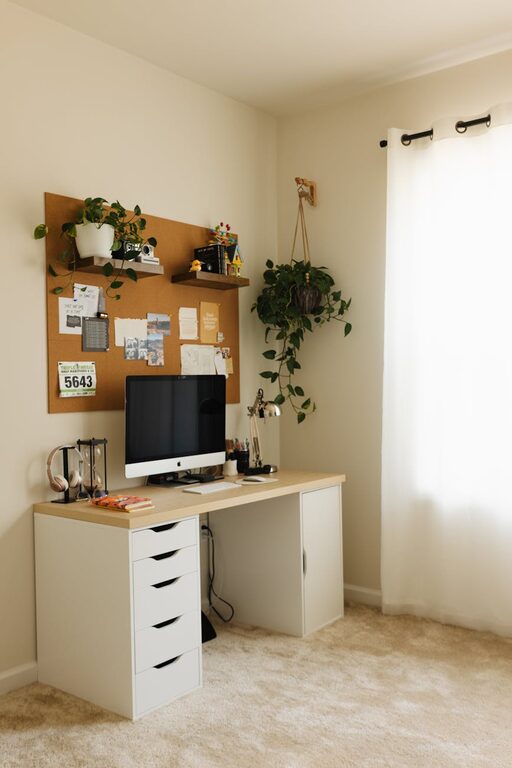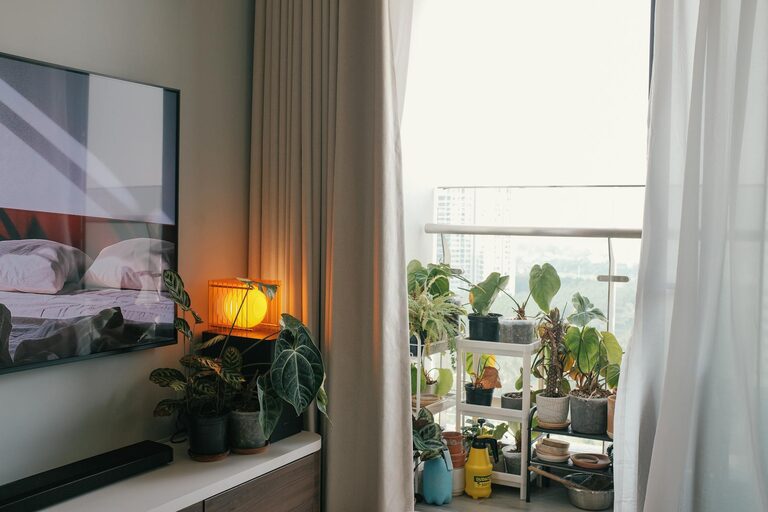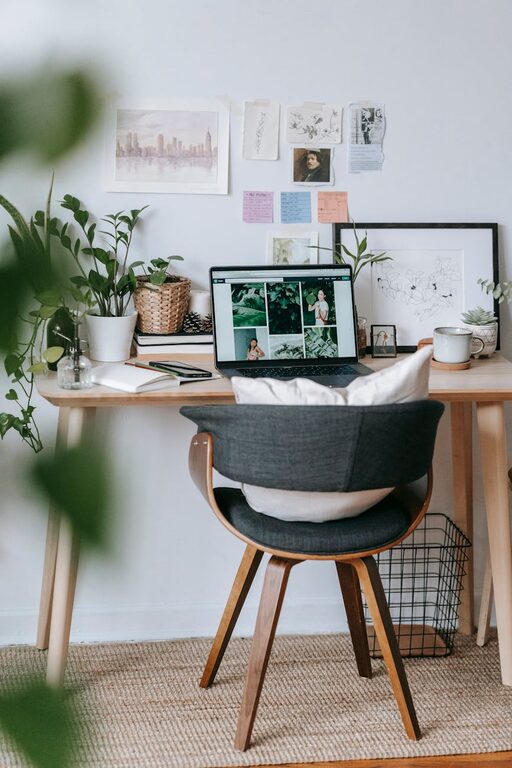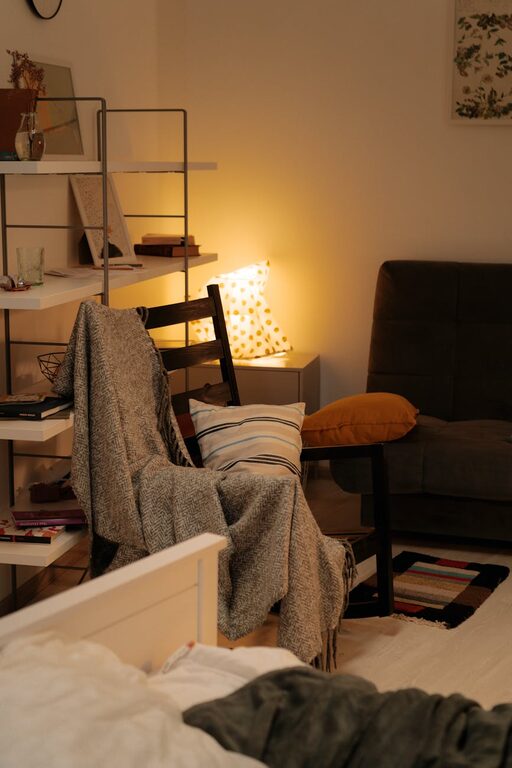
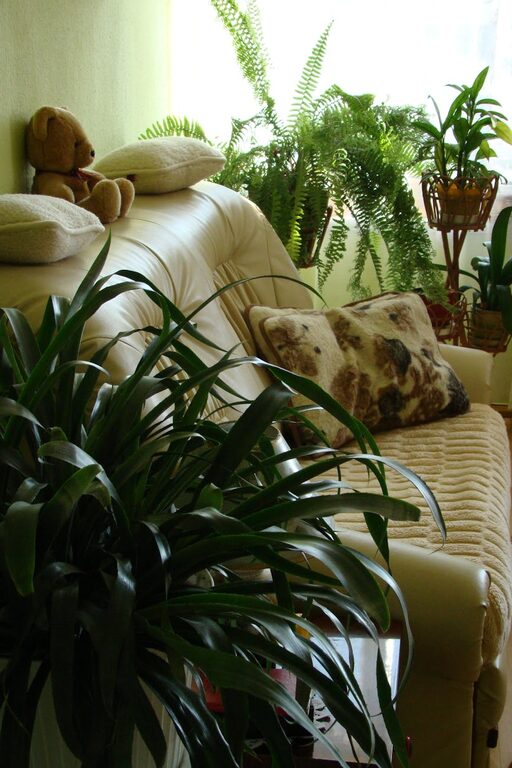
Creating a relaxing home environment can do wonders for your well-being, helping you to de-stress, recharge and improve your overall mood. Your home should be a sanctuary where you feel calm, comfortable, and at ease. Fortunately, there are plenty of straightforward steps you can take to make your living space more relaxing, even if you don’t have much time or budget to spare.
In this post, we’ll explore practical tips for turning your home into a peaceful retreat, covering everything from clutter control to lighting and natural elements. With just a few adjustments, you can enjoy a more balanced and enjoyable home life.
Clear Clutter for a Calm Mind
One of the easiest ways to create a relaxing atmosphere is to remove unnecessary clutter. A cluttered space can overwhelm your mind and increase feelings of stress. Here are some simple ways to declutter:
– Sort and donate: Go through your belongings and set aside items you no longer use or need. Donate or recycle these where possible.
– Designate storage areas: Keep everything in its place with storage boxes, baskets, or shelving.
– Create daily routines: Spend five minutes daily tidying up to maintain order.
By keeping your home organised, you’ll create a sense of calm and control.
Use Soft, Natural Lighting
Lighting plays a big role in how relaxed you feel at home. Bright, harsh lights can be stimulating and tiring, while soft lighting promotes relaxation. Consider these options:
– Maximise natural light: Open curtains and blinds during the day to let sunlight in.
– Use warm bulbs: Choose bulbs with a warm colour temperature (around 2700K) to create a cosy atmosphere.
– Add lamps and candles: Table lamps, floor lamps, and candles provide gentle, adjustable lighting.
Changing your lighting can make rooms feel more inviting and restful.
Incorporate Natural Elements
Bringing nature indoors can boost your mood and reduce stress. Natural elements like plants, wood, and water add tranquillity and beauty.
– Houseplants: Easy-to-care-for plants like snake plants, pothos, or peace lilies improve air quality and create visual calm.
– Natural materials: Choose furniture and decorations made of wood, stone, or cotton for a grounded feel.
– Water features: Small indoor fountains or aquariums offer soothing sounds and a peaceful vibe.
Connecting with nature helps to create a serene environment.
Choose Calming Colours
The colours you surround yourself with can influence your emotions. Soft, muted tones promote relaxation, while bright colours can be energising.
– Opt for neutrals: Whites, creams, and soft greys serve as serene backdrops.
– Try pastels: Pale blues, greens, lavenders, and blush pinks evoke calm.
– Use colour intentionally: Add pops of colour with cushions or artwork, but keep the overall palette gentle.
A mindful colour scheme supports a restful atmosphere.
Create Comfortable, Inviting Spaces
Comfort is key to creating a relaxing home. Make sure your furnishings encourage rest and leisure.
– Invest in good seating: Choose chairs and sofas with cushions and supportive backs.
– Layer textiles: Use cosy throws, rugs, and cushions to add warmth and softness.
– Designate chill zones: Create a nook or corner just for relaxing with a book or meditation.
Making your spaces comfortable invites downtime and peace.
Minimise Noise Distractions
Noise pollution can disrupt relaxation and focus. Consider ways to reduce unwanted sounds in your home:
– Use rugs and curtains: Soft fabrics absorb noise and echo.
– Add white noise: A fan or sound machine can mask disruptive sounds.
– Close windows and doors: This blocks outside noise when you want quiet time.
Managing sound helps maintain a peaceful atmosphere.
Personalise Your Space with Meaningful Items
Surround yourself with things that bring joy and comfort to you personally:
– Display photos: Family, friends, and happy memories uplift your mood.
– Add favourite scents: Use essential oils, incense, or scented candles with smells you find calming, like lavender or vanilla.
– Incorporate art or hobbies: Pieces that inspire creativity or relaxation encourage positive feelings.
A home curated with intention supports emotional well-being.
Keep a Routine for Maintenance
Finally, maintaining your relaxing environment is easier if you have a routine:
– Daily habits: Tidy up, water plants and open windows regularly.
– Weekly tasks: Dust, vacuum and wash textiles to refresh spaces.
– Seasonal updates: Rotate cushions, decorations and clean more deeply.
Consistent care preserves the peacefulness you’ve created.
—
Creating a relaxing home environment doesn’t have to be complicated. By decluttering, welcoming natural light and elements, choosing calming colours, and personalising your space with comfort and meaningful touches, you can build a sanctuary that nurtures your well-being. Remember, even small changes can make a big difference in how you feel at home every day.
About the Author