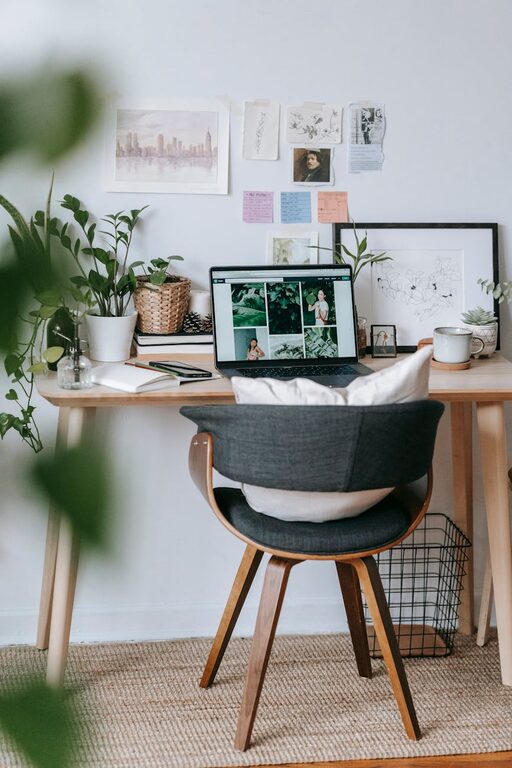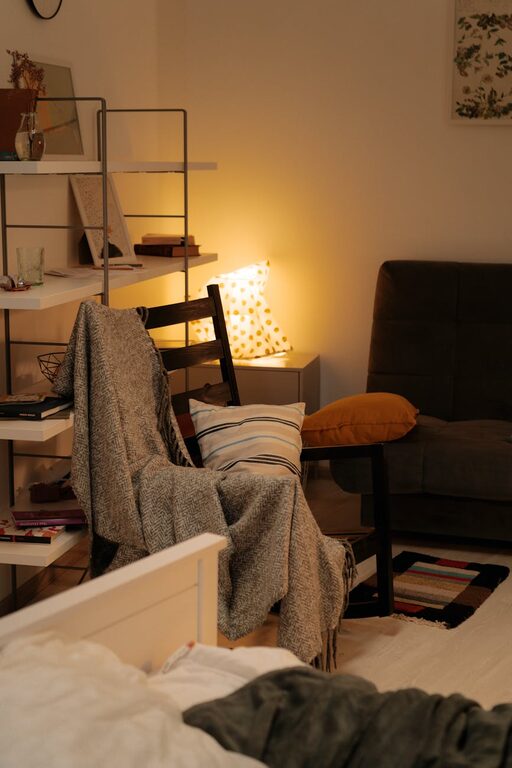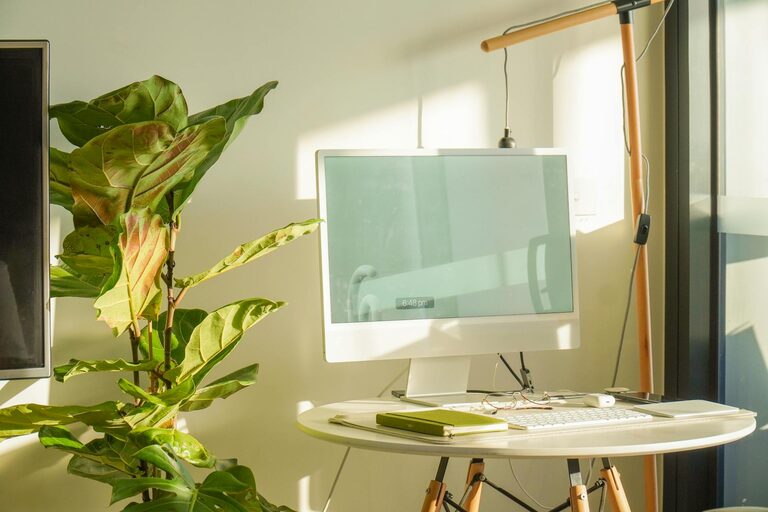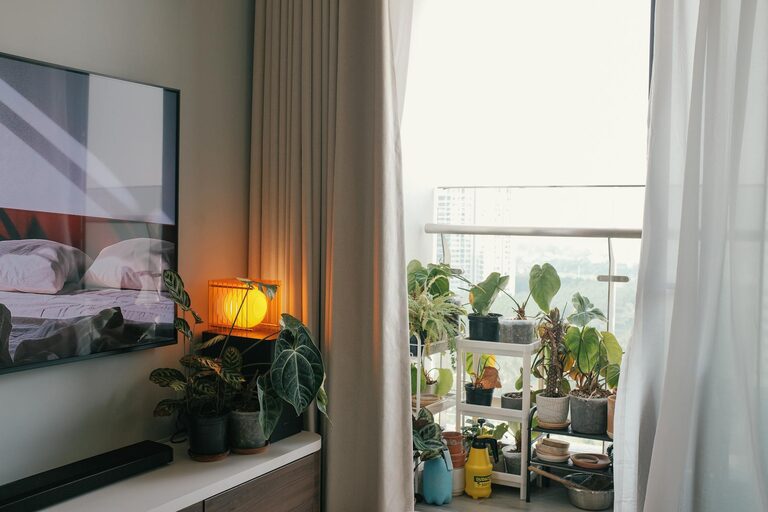
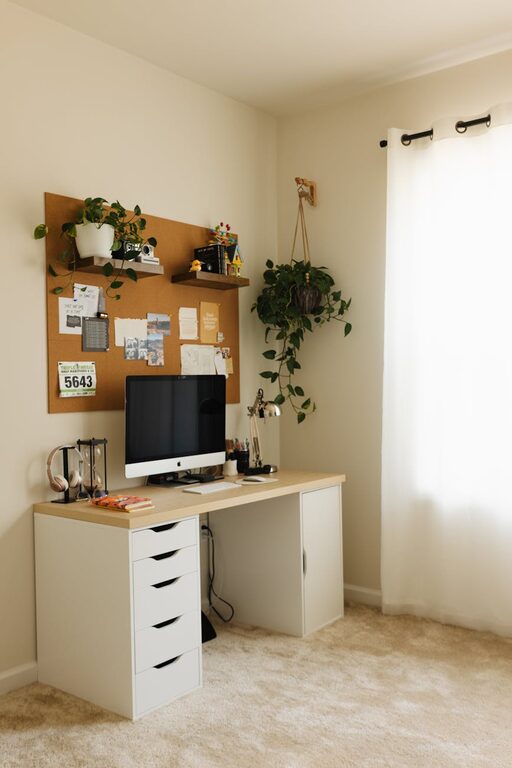
Creating a productive home office space is key to working efficiently and maintaining a healthy work-life balance. With more people working remotely, having a well-designed area where you can focus comfortably makes a significant difference. Whether you have a dedicated room or a small corner in your home, these tips will help you set up a workspace that suits your needs.
Choose the Right Location
Selecting the best spot for your home office is the first step. Ideally, choose a quiet area with minimal distractions where you can concentrate. Consider the following:
– Natural Light: Aim for a location near a window to benefit from natural light. It improves mood and reduces eye strain.
– Space: Ensure there’s enough room for your desk, chair, and any equipment you need without feeling cramped.
– Separation: If possible, avoid spaces that are also used for relaxing or entertaining to help maintain a clear boundary between work and home life.
Invest in Ergonomic Furniture
Comfort is crucial if you spend long hours working at your desk. Ergonomic furniture supports your posture and reduces the risk of strains.
– Chair: Choose an adjustable office chair with good lumbar support, adjustable height, and armrests.
– Desk: Pick a desk that fits your equipment and allows enough legroom. Sitting desks or height-adjustable standing desks offer flexibility.
– Monitor Stand: Use a stand to position your screen at eye level, reducing neck strain.
Keep Organised with Smart Storage
A tidy workspace promotes focus and efficiency. Use storage solutions to keep your home office neat:
– Drawers and Filing Cabinets: Store documents and office supplies out of sight.
– Shelving: Open shelves can display books and essentials for easy access.
– Desk Organisers: Use containers or trays to manage pens, paper clips, and notes.
Regularly declutter your workspace at the end of each day to maintain order.
Manage Lighting Effectively
Proper lighting reduces eye fatigue and sets the right atmosphere.
– Natural Light: Use sheer curtains to soften sunlight without blocking it completely.
– Task Lighting: A good desk lamp with adjustable brightness is essential for focused work.
– Ambient Lighting: Consider overhead lighting that evenly illuminates the room to avoid harsh contrasts.
Minimise Distractions
Working from home comes with potential interruptions. Creating an environment that helps you concentrate is vital.
– Noise Control: Use noise-cancelling headphones or white noise machines if you’re in a noisy household.
– Clear Boundaries: Let family or housemates know your working hours to reduce disturbances.
– Digital Distractions: Set phone to ‘Do Not Disturb’ mode and use website blockers if necessary during work sessions.
Personalise Your Workspace
Adding personal touches can make your home office a more enjoyable place to spend time. Use photos, plants, or artwork to create a space that feels welcoming but not cluttered.
– Plants: Indoor plants improve air quality and create a calming effect.
– Artwork: Choose pieces that inspire or motivate you.
– Colour: Use colour schemes that promote focus and energy, such as blues or greens.
Optimise Technology Setup
A smooth technology setup supports productivity and reduces frustration.
– Reliable Internet: Ensure your connection is stable and fast enough for video calls and file sharing.
– Proper Equipment: Use a good-quality keyboard, mouse, and headset tailored to your comfort.
– Cable Management: Keep cables organised with clips or tubes to avoid a tangled mess.
Create a Routine and Define Boundaries
Even the best workspace won’t help if you don’t maintain a routine.
– Set Working Hours: Decide when your workday starts and ends to prevent overworking.
– Breaks: Schedule regular breaks to stretch and rest your eyes.
– End-of-Day Ritual: Clear your desk and switch off your device to mentally close your workday.
Conclusion
A productive home office space is achievable with thoughtful planning and organisation. From choosing the right location and furniture to managing distractions and technology, every detail counts. By implementing these tips, you can create a comfortable and efficient workspace that supports your work and wellbeing. Remember, the goal is to make your home office a place where you can focus, feel motivated, and maintain a healthy balance between work and rest.
About the Author