Creating a sustainable and eco-friendly home garden is a rewarding way to connect with nature while reducing your environmental impact. Whether you have a small balcony, a backyard, or a community plot, adopting green gardening practices contributes to healthier ecosystems and a more beautiful, productive garden. This guide offers practical tips to help you build and maintain a sustainable garden that supports both your needs and those of the planet.
Why Choose a Sustainable Garden?
Sustainable gardening means using methods that protect and preserve natural resources, promote biodiversity, and reduce waste. It avoids harmful chemicals and relies on eco-friendly techniques to create a thriving garden. Beyond the environmental benefits, sustainable gardens often require less water, reduce energy use, and can save money over time.
Planning Your Eco-Friendly Garden
Starting with a good plan ensures your garden flourishes responsibly.
Assess Your Space
Consider the size, sunlight, soil quality and local climate. This information will help you select the right plants and design a garden that suits your space naturally.
Choose Native and Adapted Plants
Selecting native species or plants well-suited to your region reduces water needs and minimises maintenance. Native plants also provide food and shelter for local wildlife such as birds, bees and butterflies.
Design for Diversity
Plants with varied heights, colours and flowering seasons support biodiversity. Including herbs, vegetables, flowers and shrubs creates a balanced, vibrant garden.
Soil Care and Composting
Healthy soil is the foundation of sustainable gardening.
– Avoid Synthetic Fertilisers: Use organic alternatives like well-aged compost or natural fertilisers.
– Compost Kitchen and Garden Waste: Composting reduces waste sent to landfill and creates valuable soil conditioner. Start a compost bin with vegetable scraps, tea leaves, grass clippings and dry leaves.
– Mulch Regularly: Applying mulch helps retain soil moisture, suppress weeds and add nutrients as it breaks down.
Water Wisely
Water is a precious resource, so use it carefully.
– Collect Rainwater: Use water butts to capture rain for watering plants during dry spells.
– Water in the Morning or Evening: This reduces evaporation losses.
– Use Drip or Soaker Irrigation: These methods deliver water directly to plant roots, making watering more efficient.
– Choose Drought-Tolerant Plants: They require less water and thrive with minimal irrigation.
Pest and Disease Management
Avoid harsh chemicals by adopting organic and natural pest control.
– Encourage Beneficial Insects: Ladybirds, lacewings and predatory beetles feed on common pests. Plant flowers like marigolds or alyssum to attract them.
– Practice Crop Rotation: Changing plant locations yearly helps prevent disease build-up and pest infestations.
– Use Physical Barriers: Netting or row covers can protect crops from birds and insects.
– Handpick Pests: Remove pests manually when possible for small gardens.
Sustainable Gardening Tools and Materials
Choose tools and supplies with a low environmental impact.
– Use Durable, Quality Tools: Invest in good tools that last longer and reduce waste.
– Opt for Natural Mulch: Wood chips, straw or leaf litter are great eco-friendly options.
– Recycle and Upcycle: Repurpose containers, pallets or old furniture for garden use.
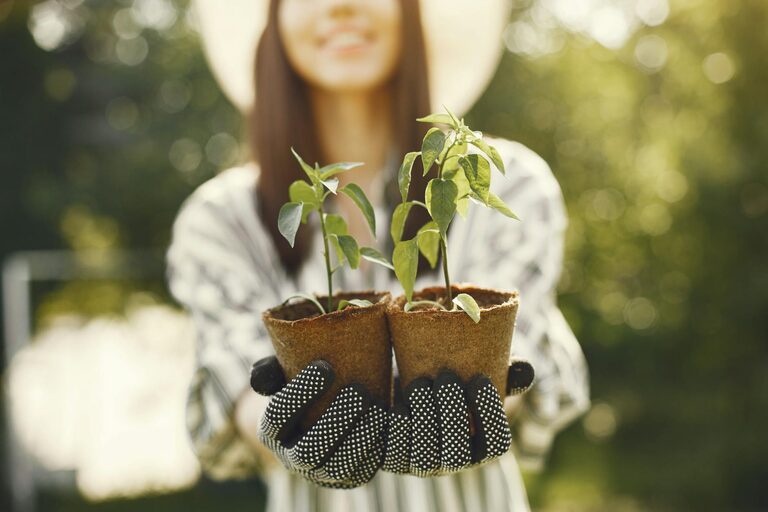
– Avoid Plastic: Choose biodegradable pots or compostable seed trays instead.
Supporting Wildlife and Pollinators
A thriving garden supports local ecosystems.
– Plant a Variety of Flowers: Especially those rich in nectar and pollen.
– Create Habitats: Leave some areas wild, add bird feeders, insect hotels or log piles.
– Avoid Pesticides: Chemicals can harm bees and other beneficial species.
Maintain with Care
Regular maintenance keeps your sustainable garden healthy.
– Prune and Deadhead: Encourages healthy growth and more blooms.
– Harvest Responsibly: Picking ripe fruit and vegetables regularly promotes further production.
– Keep Compost Turning: Aerate your compost heap to speed up decomposition.
Benefits of a Sustainable Garden
– Reduces water and energy consumption.
– Minimises use of harmful chemicals.
– Supports wildlife and biodiversity.
– Produces fresh, chemical-free food.
– Creates a peaceful, natural space for wellbeing.
Final Thoughts
Transforming your garden into a sustainable and eco-friendly space doesn’t have to be difficult or expensive. By planning thoughtfully, choosing the right plants, caring for soil and water wisely, and welcoming wildlife, you’ll create a beautiful garden that benefits both you and the environment. Step by step, your green oasis will grow, offering joy and life for many seasons to come.
About the Author